
The transition from the depths of winter into the warm kiss of spring marks the beginning to the 2015 vintage in the vineyards of the Northern Hemisphere. Vines begin the gradual process of collecting the suns heat in preparation for a process known as bud break. As the daily average temperature reaches 50°F, the tissues of the vine begin to drive water and nutrients up the trunk to the dormant buds in the upper reaches of the plant. All of this energy has been stored for months underground for the simple purpose of producing the first leaves needed to convert sunlight into food for the vine.
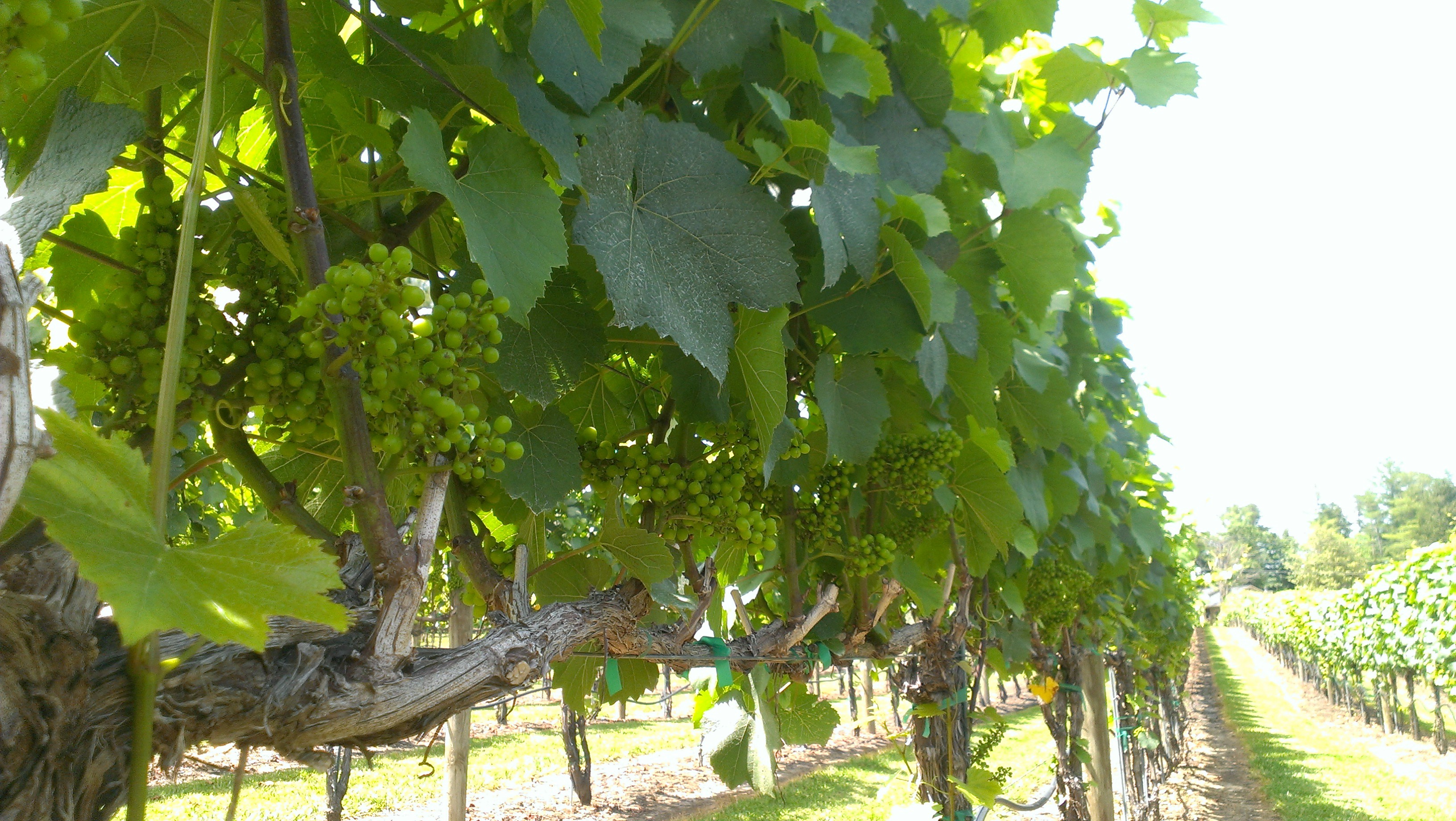
Around the globe, wine regions across various countries have developed growing techniques that focus on this single aspect of grape phenology. In the industry, the growth pattern and structure is determined by the trellis system and carries names like “Vertical shoot position”, “Geneva Double Curtain”, or “Double Guyot”. These are unique in their own way, yet all designed to start growth from bud break to yield the best possible fruit for a given vineyard location. The vineyard must be pruned in the winter months just prior to spring to remove the 95% of growth from the previous year that is no longer needed. The remaining 5% or less is going to lay the foundation of the growth in the coming year. The vineyard manager carefully selects the positions of buds that they believe will create the best opportunity for the healthy growth of the vine. The often debated comment that I believe to be true is that world class wine is made in the vineyard.
The chilling threat to the fragile green tissue that we begin to see at the end of April and beginning of May is frost damage. Spring frost can make or break a particular year’s crop depending on the timing and low temperature that is reached. In the worst case scenario, vines may produce less than a quarter of their potential full yield, reducing harvest weights and subsequent wine volume produced for that vintage. This does happen in rare cases each spring and vineyard sites can largely mean the difference from untouched to frost burnt.
As we adventure out this spring and pass by a vineyard, take a minute to see the beauty in the beginnings of a truly incredible journey that occurs from vine to liquid sunshine in a glass. The first glimpse of the early released 2014 vintage wines should be hitting shelves after a long winters work in the cellar. Enjoy a tasting or a glass of wine and toast to the new beginnings of the year to come!
 Cellar Threads